
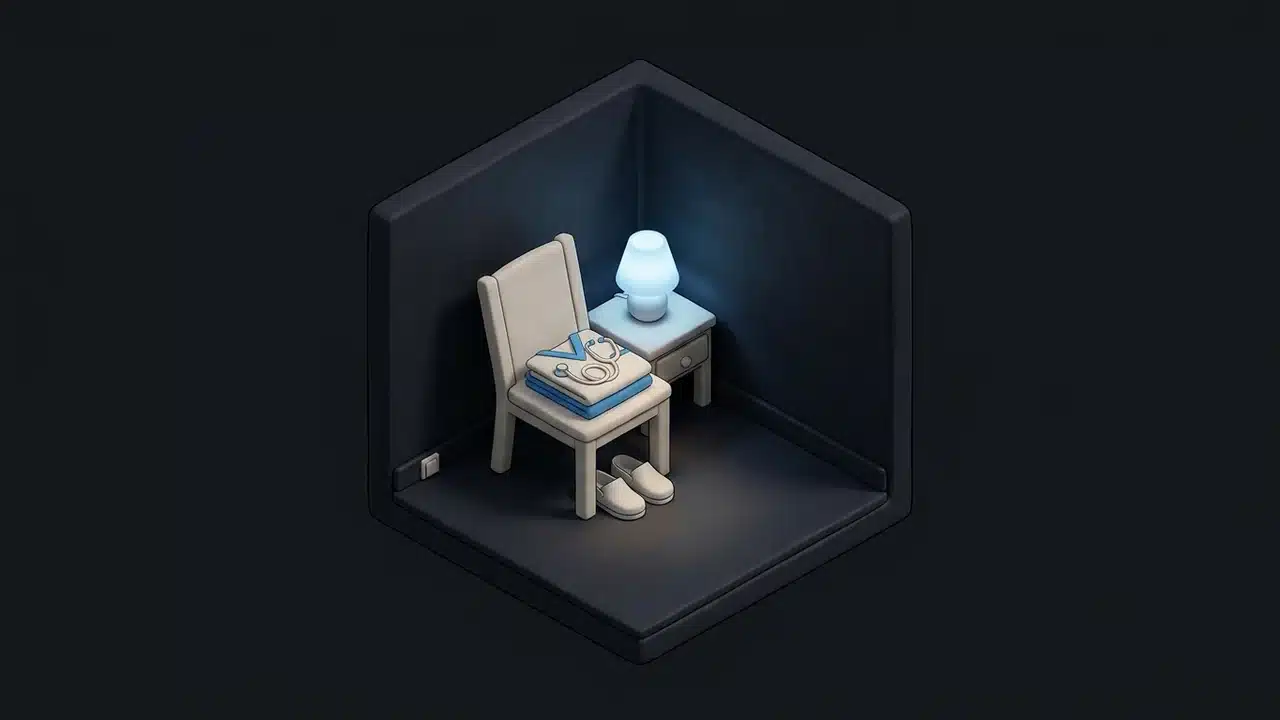
It’s the night before your first day of nursing school. Your scrubs are folded on the chair, your new stethoscope is in your bag, and your mind won’t stop asking questions. What if I can’t keep up? What if I hurt someone? Those nursing student fears are more common than anyone admits out loud. What scares new nursing students most, and how do you cope?
The most common nursing student fears are not getting in, failing exams, the first clinical shift, making a medication error, burning out, and failing the NCLEX. Nearly every one of them comes from caring a lot about doing this well, which is exactly the trait patients need. Fear doesn’t mean you’re in the wrong place. Each fear has something true inside it and something you can do about it. This article gives each one a straight look and a concrete first step.
“What If I Don’t Get In?”
You refresh your email for the fifth time today. Everyone in your prerequisite class seems to have a higher GPA, more volunteer hours, a better TEAS score. The waiting feels endless.


Here’s what’s true. Nursing programs can be competitive, and some qualified applicants do get turned away, often because programs have limited seats and clinical placements. Requirements also vary a lot from one program to the next. Some weigh prerequisite grades heavily. Others put more weight on an entrance exam or an interview.
Your step: make a short list of programs and read each one’s official admissions page. Write down the exact prerequisites, minimum scores and deadlines. If you want a clearer picture of the odds and how to improve them, our article on how hard it is to get into nursing school breaks it down. Applying to more than one program is a normal, smart move, not a sign of doubt.
“What If I Fail My Exams?”
You studied for hours. You walk out of your first nursing exam feeling like every answer had two right options. That’s because many nursing school exams are built that way on purpose. They test judgment, not just memory.
What’s true: the first exam is often the hardest adjustment. Questions that ask for the “best” or “first” action feel strange if you’re used to straight recall. Many students score lower than they’re used to at first, then improve once they learn how the questions work.
Your step: after each exam, review every question you missed and write one line about why the right answer was better. Then do practice questions every week, not just before the test. Testing yourself is one of the most reliable ways to learn, and it builds the exact skill nursing exams reward.
Why Is the First Clinical So Scary?
Because it’s real. You walk onto the unit at 6:30 a.m. The hallway is loud, call lights are blinking, and your patient is a real person who is sick and worried. You suddenly forget how to take a blood pressure, something you did perfectly in the skills lab last week.
The reality is gentler than the fear. Nobody expects you to know everything on day one. You’ll be supervised by a clinical instructor and work with staff nurses. Feeling awkward, slow and nervous at first is normal for almost every student.
Your step: prepare the night before. Look up your patient’s diagnoses and medications if your program allows you to get your assignment early. On the unit, introduce yourself, say you’re a student, and ask questions. “Can you show me how you do this?” is one of the most useful sentences in nursing school.
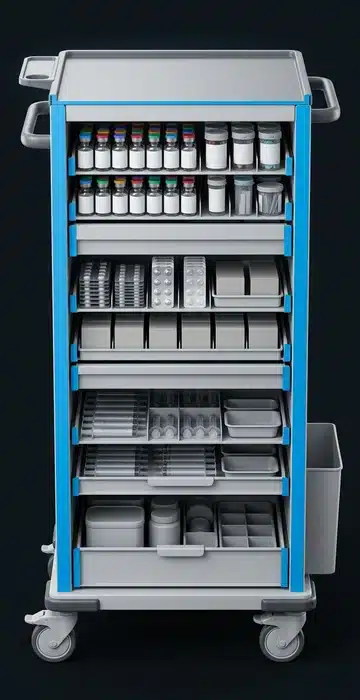
“What If I Make a Medication Error?”
This is the fear that keeps a lot of nursing students up at night. You picture the wrong pill, the wrong dose, a patient getting hurt because of you. It feels heavy because it matters.
What’s true: medication errors are a serious issue in health care, and that’s exactly why nursing education builds so many checks around them. You’ll learn the “rights” of medication administration, how to verify orders, and how to double-check before you give anything. As a student, your instructor or supervising nurse is there to check your work before a medication reaches a patient.
Your step: make checking a habit, not a feeling. Slow down at the moment of giving a medication, even when the unit is busy. If something doesn’t look right, stop and ask. Speaking up is a skill every good nurse uses, and it’s welcome, not a weakness.
“What If I Burn Out?”
It’s week ten. You have a care plan due, an exam Friday, clinical Thursday, and a shift at your part-time job. You haven’t seen your friends in a month. You start wondering if you can keep this up for two more years.
What’s true: nursing school is demanding, and many students feel worn down at some point. That doesn’t mean you’re weak. It usually means your schedule has no room left for rest.
Your step: protect a few non-negotiables. Sleep, one real meal a day with someone you like, and one block of time each week that has nothing to do with school. If the stress starts to feel like more than stress (you can’t sleep, can’t focus, or feel hopeless), reach out to your campus counseling center. Most colleges offer free or low-cost counseling to students, and using it is a sign of good judgment. If you ever have thoughts of hurting yourself, call or text 988, the Suicide and Crisis Lifeline in the US, any time of day.
How Do You Cope With Fear of the NCLEX?
The NCLEX is the licensing exam you take after graduation, and it can loom over all of nursing school. It’s adaptive, so it changes based on your answers, and that unpredictability scares people.
One fact is worth holding on to. According to the National Council of State Boards of Nursing, the first-time NCLEX-RN pass rate for U.S.-educated candidates was 86.7% in 2025. In other words, most U.S.-educated graduates taking it for the first time pass. That doesn’t make it easy, but it does mean the odds are on the side of students who prepare.
Your step: don’t wait until your last semester. Practice clinical judgment questions throughout school, and treat every unit exam as NCLEX prep in disguise. Your program will usually point you to review resources near graduation.
How Do You Cope With Nursing Student Fears?
A few habits help no matter which fear is loudest:
- Name the fear out loud or on paper. Vague dread feels bigger than a specific worry.
- Separate what’s true from what’s a guess. “I failed one quiz” is a fact. “I’ll never be a nurse” is a guess.
- Pick one small action you can take this week.
- Find your people. A study group of classmates who get it can make a hard semester feel lighter.
- Use campus support: tutoring, your advisor, your instructors’ office hours and the counseling center.
Scared and Still Showing Up
Nursing student fears are a sign that you understand what’s at stake. The students who make it aren’t the ones who never felt afraid. They’re the ones who felt it, took one more step, and asked for help when they needed it.
So pick the fear that’s loudest for you right now, and do the one step listed under it. Then come back to the next one. Those scrubs on the chair are waiting, and you belong in them.