
Your alarm goes off and for one sleepy second you forget what day it is. Then it hits you. Final exam, 8 a.m., the one that counts for a quarter of your grade. Do you grab your notes? Skip breakfast? Reread the whole chapter on the bus? A calm exam morning routine can keep those last few hours from undoing weeks of work. What should the morning of a final look like?
The best exam morning routine is simple: wake up after a real night of sleep, eat a normal breakfast, do a short warm-up review of material you already know, pack everything the night before, and get to the room early. The morning is not the time to learn anything new. Its only job is to get the rested, prepared version of you into the exam seat. Small things matter here, like a forgotten calculator or an empty stomach at 10 a.m. Your exact routine will depend on your exam time and your school’s rules, but the steps below work for most finals.
What Should an Exam Morning Routine Start With?
It starts the night before, with sleep. Picture two versions of you. One stayed up until 3 a.m. trying to cover one more chapter. The other closed the laptop at 11 and went to bed. The second one walks into the exam with a sharper brain, even if the first one technically “studied more.”


The CDC recommends that adults get 7 or more hours of sleep a night, and finals week is when that matters most. Sleep is when your brain settles what you practiced during the day. Trading it for an extra hour of cramming is usually a bad deal.
A few things help you actually fall asleep:
- Set a hard stop time for studying, at least an hour before bed.
- Cut off caffeine by early afternoon.
- Set two alarms, and put one across the room.
- Lay out your clothes so the morning has fewer decisions.
If you lie awake anyway, don’t panic. One restless night won’t ruin your exam. Rest with your eyes closed and trust the weeks of work behind you.
What Should You Eat Before a Final Exam?
Eat a normal breakfast that you know sits well with you. This is not the morning to try the giant energy drink your roommate swears by or the spicy breakfast burrito from a new place. Familiar food is the goal.
Something with a little protein and some slow carbs (eggs and toast, oatmeal with peanut butter, yogurt and fruit) tends to carry you longer than a donut. A lot of finals run two or three hours, and you don’t want your stomach growling during the last section. If you’re too nervous to eat much, even a banana and a granola bar beat nothing.
Coffee is fine if you already drink it. Have your usual amount, not double. Too much caffeine on an anxious morning can leave you jittery and running to the bathroom. Bring a water bottle if your exam room allows it.
Should You Study the Morning of an Exam?
Yes, but only a short warm-up, and only on things you already know. It works the way stretching works for an athlete before a game. They aren’t learning new plays in the locker room. They’re getting loose.
Give yourself about 15 minutes. Here’s one way to spend them:
- Glance over your one-page summary or formula list.
- Work two or three easy practice problems you’ve solved before, so your brain is in “solving” mode.
- Say a few key facts or equations out loud without looking.
- Close the notes and stop.
What you should skip is new material. Opening a chapter you never got to will not teach you that chapter in 30 minutes. It will just remind you that you never got to it, and that feeling can follow you into the exam. If a topic is still shaky, let it go for today. You know enough to earn the points you’ve prepared for.
What Should You Bring to a Final Exam?
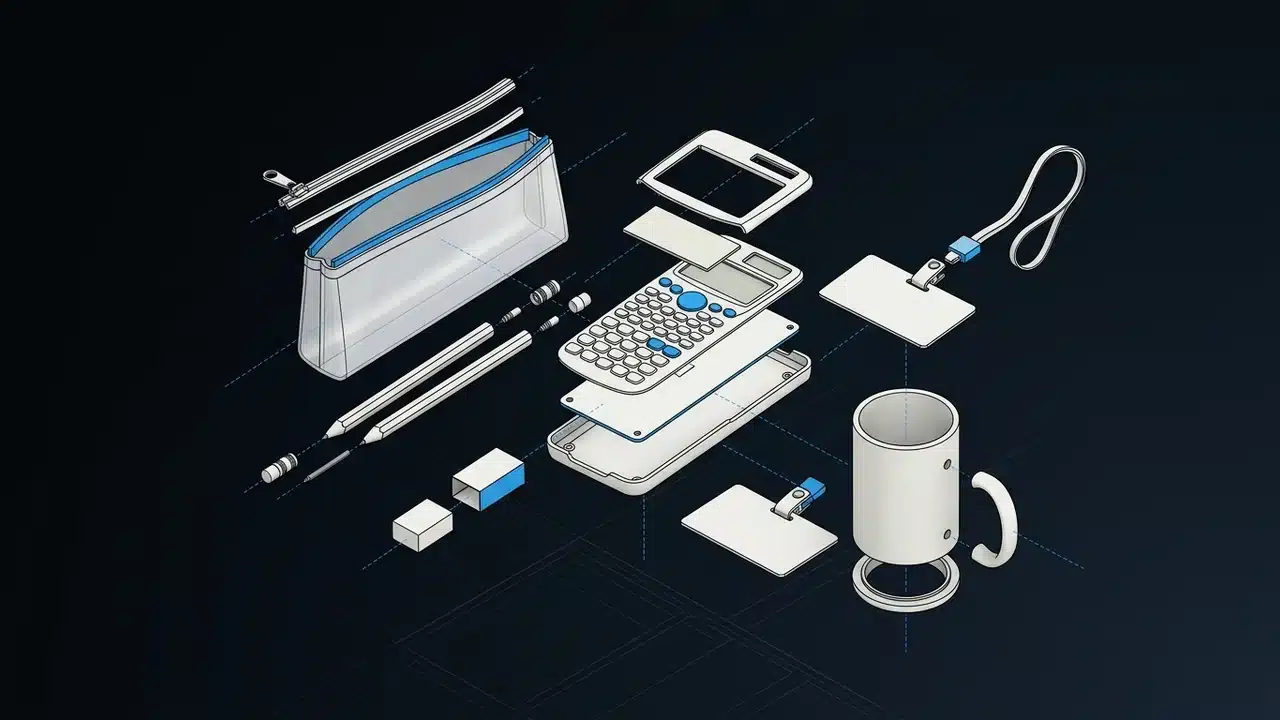
Bring everything your professor listed, and pack it the night before. It’s 7:40 a.m., you’re already late, and you’re tearing through your room looking for your student ID. That scene is completely avoidable.
| Item | Why it matters |
|---|---|
| Student ID | Many finals check ID at the door, especially large lectures. |
| Approved calculator (plus spare batteries) | Calculator rules are set by your instructor or school, so check which models are allowed. |
| Two or three pencils and an eraser | Scantron sheets usually need a No. 2 pencil. |
| Water and a small snack | Only if the room allows them. |
| Watch (non-smart) | Phones are often banned, and not every room has a visible clock. |
| A layer, like a hoodie | Exam rooms can be freezing or stuffy. |
Check your syllabus or course page for anything special, like a formula sheet you’re allowed to bring or a rule against certain calculators. When in doubt, email your professor a few days ahead.
How Early Should You Get to an Exam?
Aim to arrive about 15 minutes early. That gives you time to find the room, use the bathroom, pick a seat and breathe. It also protects you from the things you can’t control, like a late bus or a full parking lot.
Double-check the location the night before. Finals are often held in a different room than your regular class, and some schools post exam schedules that change the time, too. Walking into the wrong building at 7:58 is a heart-racing way to start a test.
Once you’re there, try not to get pulled into the hallway quiz. You know the one. Someone asks, “Wait, did you study buffers?” and suddenly everyone is panicking about a topic. Put in earbuds, sit down, and keep your own calm.
What If Nerves Hit Right Before the Test?
Do a quick reset. Your heart is pounding, your hands feel a little cold, and the exam hasn’t even been handed out. That’s normal. Your body is getting ready to perform, and a little bit of that energy can help you focus.
Try this short routine at your desk:
- Breathe in slowly through your nose for about four counts, then out a little longer.
- Press your feet flat on the floor and notice the chair under you.
- Tell yourself one true sentence, like “I’ve practiced this.”
When the exam starts, flip through it first and answer a question you know cold. Early wins calm your nerves fast. If test anxiety is a bigger problem for you than a few jitters, there is a separate guide on how to reduce stress before a test in the days leading up to it.
Your Exam Morning Routine, Start to Finish
The night before, pack your bag, check the room, and get to bed on time. In the morning, eat something familiar, do a 15-minute warm-up on what you already know, and leave early enough to arrive with time to spare.
Nothing on this list is dramatic, and that’s by design. A good exam morning routine is boring on purpose, so all of your energy can go to the test itself. Write your version on an index card and leave it on top of your bag, so the only decision left on exam morning is what to eat.